In Praise of the Wonky Blurb: Why a Muddled Back Cover Beats a Perfect One
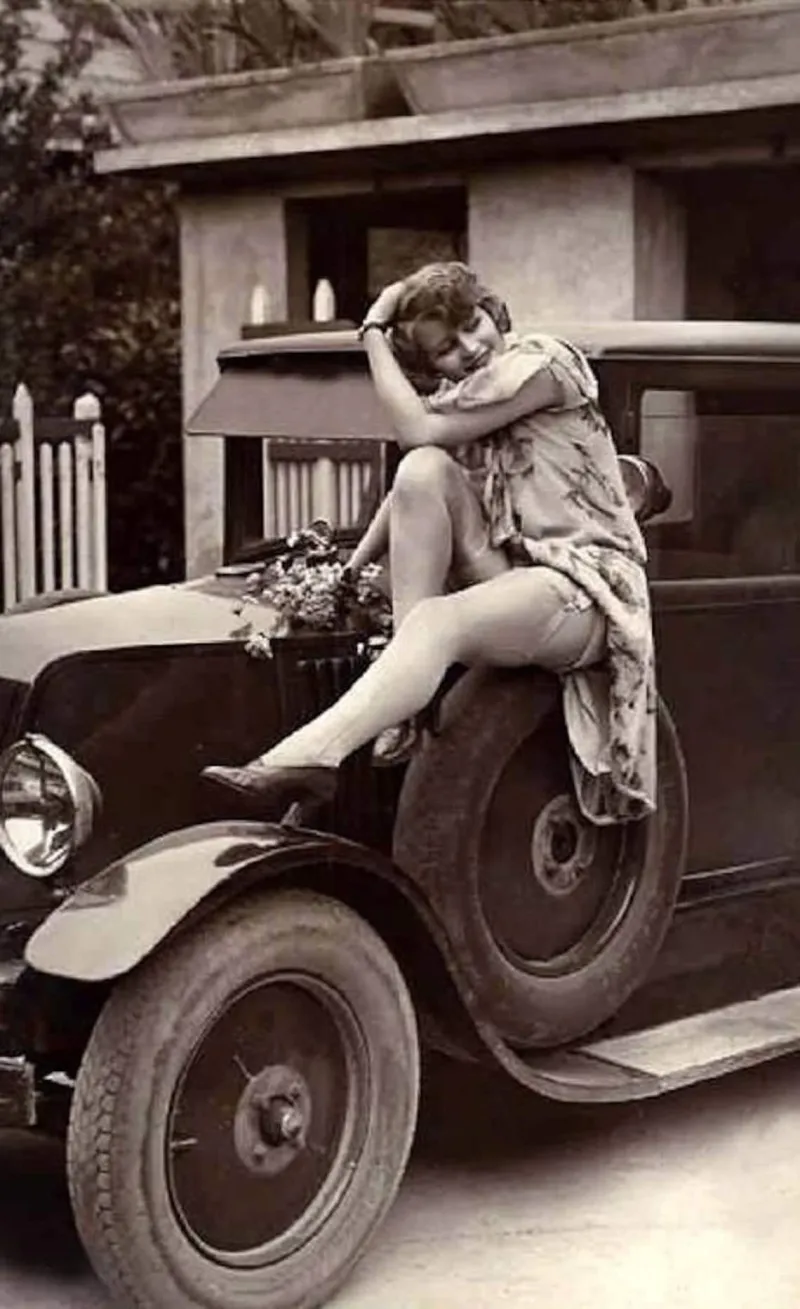
Photo: Unknown authorUnknown author, Public domain, via Wikimedia Commons
There is a particular kind of book that sells itself to you in a charity shop queue, and it is never the one with the tasteful quotation from a broadsheet. It is the one whose back cover begins with a sentence that has escaped from somewhere and is now running loose.
I bought a novella last winter entirely because its blurb described it as “a love story, a weather event, and a warning about drainage.” I still cannot tell you what it was about. I can tell you exactly where I was standing when I read that line, which is more than polished copy has ever achieved.
This is not an argument against clarity. It is an argument for charm, and charm is almost always slightly wonky.
The four symptoms of a magnificent mess
The runaway sentence. One sentence, forty-one words, three semicolons, ending somewhere near the author's hometown. You can feel someone in a small office panicking at 11pm.
The genre pile-up. “A literary thriller with elements of folk horror and a tender meditation on grief.” That is four books. None of them are this one. Buy it immediately.
The over-promise. Comparisons to three dead giants and one living one who will, frankly, be surprised to hear about it.
The rogue detail. Midway through an otherwise conventional paragraph: “contains a map, though not a useful one.” That is a human being writing, not a template.
Why the mess sticks
Three theories, none of them peer-reviewed.
First, the memory theory. A smooth blurb is a summary, and summaries are interchangeable. A strange blurb is a scene: someone at a desk, half a bottle of wine in, trying to explain a book they love and slightly resent. We remember scenes.
Second, the honesty theory. Small presses rarely have a marketing department, so the person writing the copy is often the person who chose the book. That shows. It is the difference between a restaurant menu written by a chef and one written by a committee that has never met a lemon.
Third, the friction theory. Good copy slides past you. Awkward copy makes you stop, re-read, and form an opinion — which is the entire job. A blurb that irritates you into reading the first page has done its work far better than one you admired and forgot.
The reverse is also true: bad copy can wreck a good book. Plenty of tiny presses have lost sales to a paragraph that made a beautiful novel sound like a management seminar. So the point is not that mess is always better. The point is that polish is not the same thing as personality.
Field notes from the indie backlist
Some patterns, gathered from a decade of charity-shop browsing and book-fair tables.
The poetry pamphlet with eleven comparison points, including two painters, a weather system, and a band that split up in 1994. Overstuffed, yes. Also accurate about the weather.
The debut novel whose blurb runs to three paragraphs and then, in a fourth, apologises. “The ending is not what you're expecting.” That is not marketing. That is a confession, and it sold me the book.
The reissue that kept the original 1980s copy intact, complete with a font that looks like a mortgage advert and the phrase “not for the squeamish.” Deeply sinister. Entirely correct.
In each case, the copywriter has done the two things that matter most: given you a feeling, and given you a reason to turn the book over. Every other consideration is decoration.
The polite case for the other side
In fairness, writing blurbs is badly paid, tightly timed, and often done by someone who has read the book once, on a train. A certain amount of boilerplate is not villainy; it is a Tuesday. There is also a real risk in the other direction — copy so idiosyncratic that nobody knows what the book is, and a good title dies of confusion.
The sweet spot, then, is not chaos. It is a competent blurb with one gloriously odd sentence left in. Editors: please stop deleting the odd sentence. It is the only part we remember.
Your homework: the three-sentence demolition derby
The rules are simple. Take a classic you love, and rewrite it as three terrible sentences. Terrible means: overlong, over-promising, possibly misleading, ideally with one detail nobody needed.
Some examples, offered in the spirit of vandalism.
Wuthering Heights: “A sweeping romance about two people who simply cannot stop being awful to each other, set on a moor that is basically a fifth character. Includes weather, inheritance law, and one extremely ill-advised marriage. Perfect for fans of passion, property disputes, and being cold.”
Middlemarch: “Everything that happens in a small English town between 1829 and 1832, in great detail, beautifully. Contains one will that ruins everything and several marriages that probably should have. For readers who like their novels to also function as infrastructure.”
Moby-Dick: “One man's grudge, 600 pages, and an encyclopaedia's worth of whale facts nobody asked for. Part adventure, part sermon, part spreadsheet. Not suitable for anyone in a hurry.”
See how easy it is to be memorable and slightly wrong at the same time? Post yours to whoever will listen. Read them aloud in a bookshop, quietly, which is the only acceptable volume for vandalism.
A modest proposal
If a publisher ever offers you the chance to write your own blurb, take it — and then write the version you'd actually say down the pub, not the one you'd say in a press release. Somewhere between those two drafts is the sentence that makes a stranger pick the book up.
And if you ever find a back cover that apologises for its own ending, buy two copies. One to read, one to prove to people in 2026 that this sort of thing really does still get printed.