Bus Tickets, Doodles and Dead Relatives: What Britain Leaves in Its Second-Hand Books
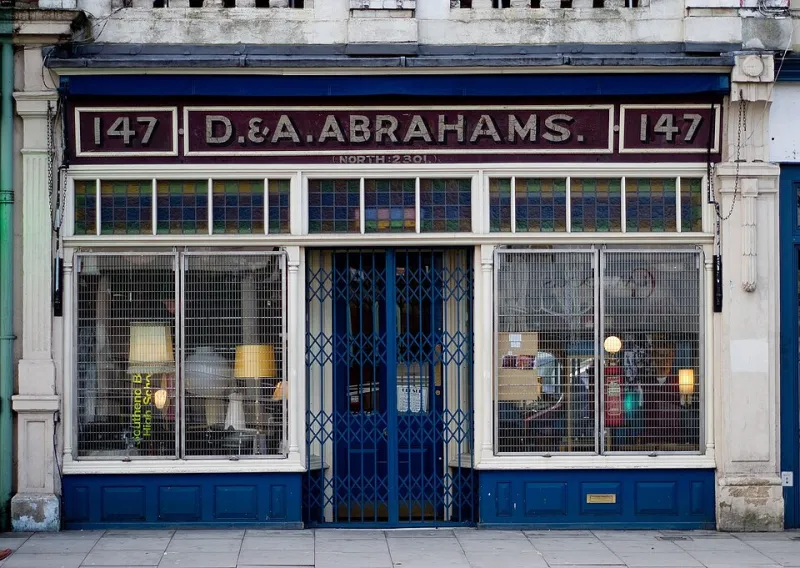
Photo: Jim Osley , CC BY-SA 2.0, via Wikimedia Commons
There is a particular smell to a second-hand book that has been loved, shelved, dampened and then donated in a clear plastic bag to an Oxfam on a wet Tuesday. It is not merely paper and dust. It is paper, dust, a ghost of someone else’s hand cream and, if you are very lucky, a bus ticket from 2014 marking page 87.
At Von Krummp we are nosy in the professional sense. We like books, but we like the people who have handled them even more. And nowhere are those people more visible than in the margins, endpapers and random inserts of second-hand books. These traces are not official history. They are better than that: they are accidental history, written by people who had no idea anyone would ever read it.
The Accidental Archive
Marginalia is a grand word for a biro doodle of a cat wearing a hat. But the grand word is useful, because it makes us take the evidence seriously. A second-hand book can contain a dedication, a shopping list, a pressed flower, a train ticket, a phone number without a name, a correction in red ink and a single furious question mark beside a paragraph the author clearly got wrong. Put together, these scraps form a portrait of British reading life that no survey could capture.
I have spent the past few months haunting charity bookshops and indie bookshops from Bloomsbury to Wigtown, asking booksellers what they find. The answers were less about literature and more about life. One bookseller in south London told me she once found a full Sunday roast shopping list in a paperback of Middlemarch, with the word ‘YORKSHIRE’ underlined twice. Another in Hay-on-Wye found a letter from a man to his sister, dated 1998, tucked into a guide to wild swimming. It began: ‘I know you said not to write, but—’
A Field Guide to the Margins
After enough snooping, patterns emerge. Here is a rough taxonomy of the most common finds, with all the authority of a person who has spent too long in the crime section.
The Bus Ticket Bookmark
Usually a single or a return, often from a bus company that no longer exists. It suggests a reader who was halfway through a chapter when their stop arrived and who used whatever was in their pocket. The bus ticket is the most democratic bookmark in Britain: no one chooses it, but everyone has used it.
The Dedication That Has Outlived Its Use
‘To Gerald, Christmas 1987, with love from Auntie Jean.’ You feel a pang, then a slight awkwardness. Gerald has clearly let the book go, or Gerald has gone, or Gerald never liked Auntie Jean’s taste in naval history. The dedication remains, stuck in a small paper time capsule, addressing someone who is no longer there to receive it.
The Corrective Pen
This reader has strong views. They underline, they asterisk, they write ‘nonsense’ in the margin. Occasionally they write ‘yes!’ which is oddly moving. The corrective pen is the sign of a reader who believed the book was a conversation rather than a sermon, which is either admirable or exhausting depending on how many pages they have corrected.
The Doodle
Usually a cat, a house, a pair of eyes or a shape that could be a cat or a house. Doodles appear most often in books borrowed from libraries and kept too long, or in books read during long meetings. They are the unconscious signature of a mind that has wandered off and left a small drawing behind.
The Shopping List
Eggs, milk, bread, ‘that thing for the sink’. The shopping list is a reminder that reading is not separate from life; it happens in the gaps. The list is also a useful corrective to anyone who thinks bookshops are full of people in tweed discussing Proust. They are full of people who need milk.
The Unposted Letter
This is the rarest and most unsettling find. A folded sheet, sometimes in an envelope, sometimes not. It may be a draft apology, a love letter, a complaint to a council. It was never sent, or it was sent and somehow returned to the book. Booksellers tend to handle these carefully. You do not read too much and you do not throw them away.
What the Bus Ticket Knows
These finds are funny until they are not. They remind us that books are physical objects that travel with us through ordinary life. A bus ticket in a novel is a small record of a journey that had nothing to do with the plot but everything to do with the reader. A dedication is a record of affection. A shopping list is a record of a Thursday.
In 2026, when much of our marginalia is digital and searchable, the paper trace feels almost rebellious. We highlight on screens and leave comments in the cloud, but we rarely leave a gravy stain. The second-hand book is one of the last places where British reading life is recorded without being asked.
Bookseller Confessions
I asked three booksellers what they do with the things they find. The answers were reassuringly unsentimental. One said she keeps the best dedications in a shoebox under the counter. Another said he puts bus tickets and receipts in the recycling, but only after a respectful pause. A third admitted she once kept a photograph of a stranger’s dog because it was a very good dog.
There is an ethics to this. A book may be sold, but a letter is not necessarily part of the sale. Most booksellers I spoke to said they would not publish or share anything that could identify a living person. The accidental archive is fascinating, but it is not ours to exploit. The margin is a public space only up to a point.
Leave Your Own Trace
So what does this mean for the reader in 2026? Perhaps only this: the next time you write your name in a book, or tuck a train ticket into page 42, remember that you are making a small contribution to a very British archive. You are not defacing a book. You are adding a footnote to the history of reading, written in biro, with a shopping list attached.
Just do not leave your bank details. Even the most curious bookseller has limits.